


Florida can file a Medicaid estate-recovery claim after a recipient dies, but the claim is against the probate estate and cannot be enforced against property that is exempt from creditors, including protected homestead.
Florida's Medicaid Estate Recovery Act, section 409.9101, Florida Statutes (2026), creates a debt for Medicaid paid after the recipient reached age 55. The Agency for Health Care Administration collects it by filing a claim against the probate estate. The statute says that debt shall not be enforced against property exempt from creditors under Florida law, and it shall not be enforced if the recipient is survived by a spouse, a child under 21, or a child who is blind or permanently and totally disabled under the Title XIX rules. This is general information, not legal advice. Talk with a Florida elder law attorney before you sell or retitle a home.


Key facts at a glance
The statute includes protected homestead, surviving-spouse, child and hardship rules. This is not legal advice.
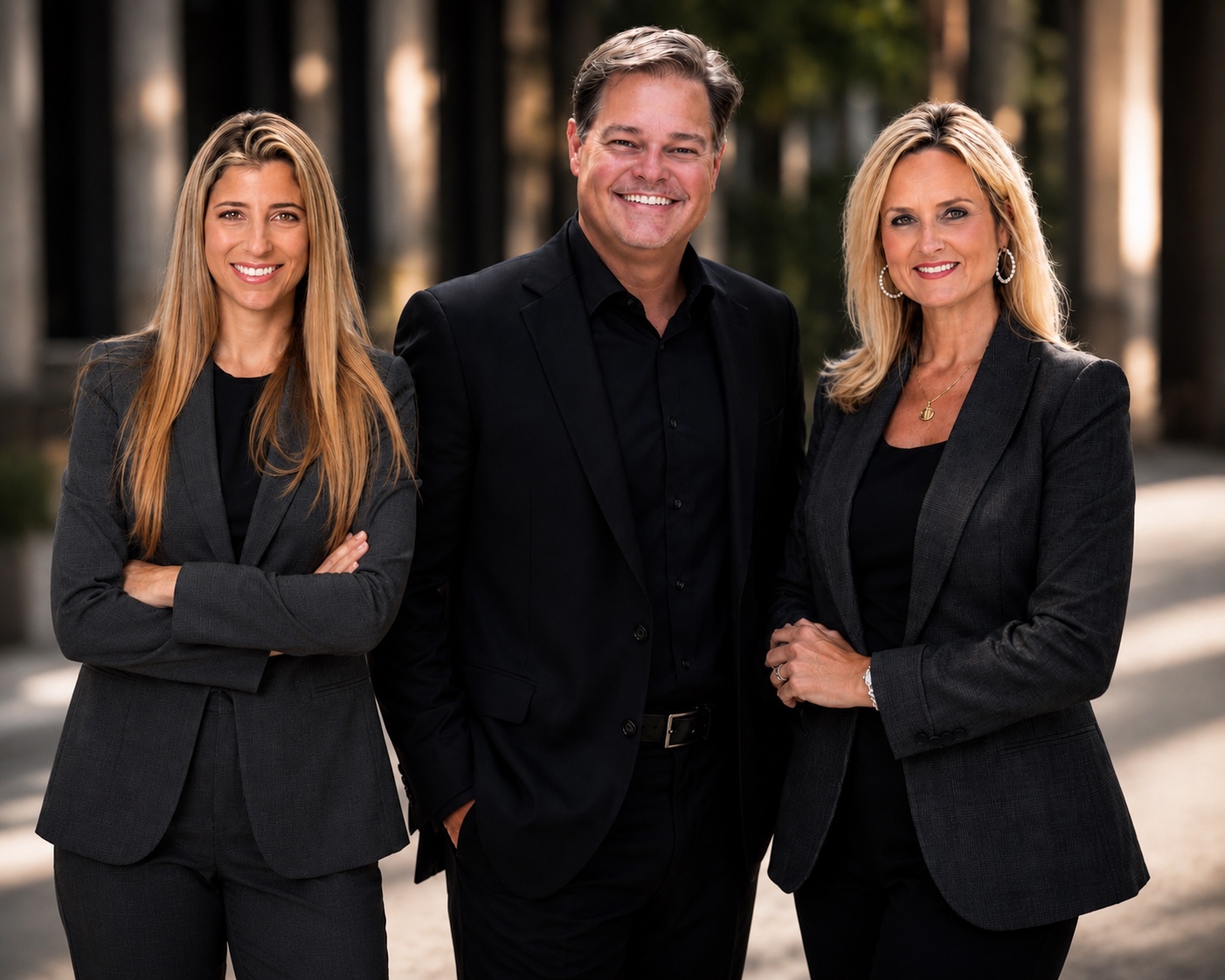
Brian 561-201-4717
I'm Brian Wilder, and I help buyers and sellers in Palm Beach, Martin, and St. Lucie counties. Families often ask whether Medicaid can take the house after a parent dies. I am not an attorney, and nothing on this page is legal advice or a plan for any one family. It restates the official statute and agency pages, then explains why the title of the home and who inherits it matter before anyone lists or retitles the property.
If you need the eligibility rules, income and asset limits, and sale timing for Florida Medicaid long-term care, start with our existing guide, Florida Medicaid and assisted living. That page covers qualification and timing. It does not explain estate recovery, protected homestead, or Lady Bird deeds, which is why this companion page exists.
Can Medicaid take a parent's house in Florida?
Not automatically, and not in every case. After a Medicaid recipient dies, Florida may file a claim for benefits paid after age 55, but that claim is filed against the probate estate. The 2026 statute also says the debt shall not be enforced if the recipient is survived by a spouse, a child under 21, or a child who is blind or permanently and totally disabled under the Title XIX eligibility rules, and it shall not be enforced against property that is determined to be exempt from the claims of creditors under Florida's constitution or laws (Fla. Stat. s. 409.9101(2), (3), (6), and (7) (2026)).
AHCA's Third Party Liability Unit is the agency office responsible for recovering Medicaid claims, including recipient estates. Notices about estate probate actions must be sent in accordance with sections 409.910, 409.9101, and 733.2121, Florida Statutes, to Florida Medicaid TPL Recovery Program, P.O. Box 12188, Tallahassee, FL 32317-2188 (AHCA TPL page, checked November 26, 2026). The Florida Medicaid Estate Recovery Program page, run for AHCA, states that HMS is the authorized agent that administers the program, and that estate recovery applies to Medicaid recipients who received services on or after August 31, 1993, and who were 55 or older when the service was provided.
The same official program page tells attorneys and personal representatives handling the estate of a person who died at or over age 55 to give notice by serving a copy of the notice of administration within three months after the first publication of the notice. For program questions, AHCA points to the vendor at 1-877-357-3268 and to www.flmedicaidtplrecovery.com.
What does Florida's protected homestead have to do with estate recovery?
Florida's constitution exempts a qualifying homestead from forced sale under process of court, and it says no judgment, decree, or execution shall be a lien on that homestead, except for certain property-related debts such as taxes and assessments, purchase or improvement obligations, and labor performed on the property (Fla. Const. Art. X, s. 4, official text on flsenate.gov, checked November 26, 2026). Those exemptions inure to the surviving spouse or heirs of the owner. The constitution also limits how a homestead may be devised if the owner is survived by a spouse or a minor child.
Section 409.9101(7) then says no debt under the Medicaid Estate Recovery Act shall be enforced against any property that is determined to be exempt from the claims of creditors under the constitution or laws of this state. Subsection (10) adds that if there are no liquid assets to satisfy the claim, nonexempt personal property or real property that is not protected homestead may be sold to satisfy the claim, provided the costs of sale will not exceed the proceeds. Real property shall not be transferred to the agency in any instance.
Whether a particular house is "protected homestead," whether it is in the probate estate, and whether an heir qualifies for that protection are legal determinations. They depend on how the home is titled, who lived there, and who inherits it. Do not assume a homestead tax exemption by itself answers the estate-recovery question. Have a Florida elder law attorney review the deed and the family facts.
What is a hardship waiver?
The agency shall not recover from an estate if doing so would cause undue hardship for the qualified heirs, as defined in s. 731.201 (Fla. Stat. s. 409.9101(8) (2026)). The personal representative and any heir may request that the agency waive recovery of any or all of the debt when recovery would create a hardship. The statute says a hardship does not exist solely because recovery will prevent heirs from receiving an anticipated inheritance.
The statute lists criteria the agency shall consider, including: an heir who currently lives in the decedent's residence, lived there at the time of death, made it their primary residence for the 12 months immediately before death, and owns no other residence; an heir who would be deprived of food, clothing, shelter, or medical care necessary to maintain life or health; an heir who can document that they provided full-time care that delayed the recipient's entry into a nursing home, if that heir is the decedent's sibling or son or daughter and resided with the recipient for at least one year before death; or a situation in which the cost of selling the property would be equal to or greater than the value of the property.
A waiver is a request, not an automatic result. Ask an attorney whether a hardship request applies and how to make it.
What is a Lady Bird deed, and does it affect Medicaid recovery?
A Lady Bird deed, also called an enhanced life estate deed, is a deed form used in Florida so that a named person can receive the home at the owner's death without the home going through probate, while the owner keeps control of the property during life. The Legal Aid Society of Palm Beach County describes it that way in its heirs' property materials. We also summarize that description in our Acreage case study on Legal Aid estate-planning help. The Florida Bar has also treated "enhanced life estate deeds," also known as Lady Bird deeds, as a recognized deed topic in its professional education.
The Medicaid estate-recovery claim, under s. 409.9101(2), is filed against the estate of a deceased Medicaid recipient in probate. Whether a particular Lady Bird deed keeps a given house out of that probate estate, and whether homestead or other protections still apply, depends on how the deed is written and on the family's facts. That is not a question this page can answer, and it is not a result you should assume from a law-firm blog. Do not sign, record, or rely on a Lady Bird deed as a Medicaid strategy without a Florida elder law attorney reviewing the current deed, the proposed deed, Medicaid status, and who will inherit.
What should a family do before selling or retitling the house?
Get legal advice first if Medicaid has paid, or may pay, benefits after the homeowner reached 55. A rushed sale, a gift of the home, or an informal name change on the deed can affect eligibility during life and recovery after death. Our Medicaid assisted living guide covers eligibility, the look-back period, and sale timing. Our estate planning mistakes guide covers homestead devise limits and authority to sell.
I can help with the real estate work: pricing, timing, and what buyers will require at closing. I cannot give legal advice, draft a deed, or tell you whether Medicaid can reach a specific house. Call or text Brian Wilder at 561-201-4717. You can also use our buyer guide, The Wilder Way Home, our seller guide, request a home valuation, or book a seller discovery call or a buyer discovery call.
Frequently asked questions
Does Medicaid automatically take the house when a recipient dies?
No. The statute creates a debt for benefits paid after age 55 and allows the agency to file a claim against the probate estate. It also lists situations in which that debt shall not be enforced, including certain surviving family members and property exempt from creditors. Have an attorney apply those rules to the specific house.
Is a homestead always safe from Medicaid estate recovery?
The statute bars enforcement against property determined to be exempt from creditors under Florida law, and it allows sale of real property that is not protected homestead if there are no liquid assets and sale costs will not exceed the proceeds. Whether a house qualifies as protected homestead is a legal question. Confirm it with an elder law attorney.
What if a spouse or a young or disabled child survives?
Section 409.9101(6) says the debt shall not be enforced if the recipient is survived by a spouse, a child under 21, or a child who is blind or permanently and totally disabled pursuant to the Title XIX eligibility requirements. Ask an attorney whether that subsection applies to your family.
Does a Lady Bird deed stop Medicaid from making a claim?
Not as a blanket rule on this page. A Lady Bird deed is often used to pass a home at death without probate. Recovery under s. 409.9101 is a claim against the probate estate. Whether that helps a particular family depends on the deed and the facts. Get legal advice before using one.
Who should receive notice of a probate estate if the person was 55 or older?
The official Florida Medicaid Estate Recovery Program page says attorneys and personal representatives should serve a copy of the notice of administration within three months after the first publication of the notice, and should send notices to Florida Medicaid Estate Recovery Program, P.O. Box 12188, Tallahassee, FL 32317. Confirm the current address and procedure with the program or an attorney.
Can you tell me whether we should sell the house now?
Not from a website, and not as legal advice. I can discuss the listing, the timing, and the condition of the property. An elder law attorney should review Medicaid, title, and estate recovery first. Call or text 561-201-4717 if you want the real estate side coordinated with that legal review.
Wilder Real Estate Group at Keller Williams Realty 1400 Corporate Center Way, Wellington, FL 33414 Brian Wilder, 561-201-4717 Brian@WilderREG.com The Wilder Real Estate Group: 1,500+ homes sold. Brian Wilder: investing in Palm Beach County real estate since 1996, licensed agent since 1998. Top 1% production: 56 residential sales and $28.1 million in 2026 (team, documented closings).
Disclaimer This page is general information about published Florida law and agency procedures. It is not legal, tax, or financial advice and does not create an attorney-client relationship. Readers should consult a Florida elder law attorney about their own facts.
Sources
https://www.flsenate.gov/Laws/Statutes/2026/409.9101
https://www.flsenate.gov/Laws/Statutes/2025/409.9101 (same operative text as 2026, also reviewed)
https://www.flmedicaidtplrecovery.com/flmedicaidtplrecovery.com/estate/index.html
https://www.flsenate.gov/Laws/Constitution (Art. X, s. 4)
Legal Aid Society of Palm Beach County description of Lady Bird / enhanced life estate deeds, as already summarized on https://www.palmbeachcountyhomeforsale.com/blog/propiedad-heredada-palm-beach-county-sucesion/
Related guides
Medicaid assisted living rules