Hurricane Preparedness for Wellington Homes — Construction, Insurance, and Getting Ready Every Season
Hurricane season runs June 1 through November 30 every year in Florida. Here’s what actually protects a Wellington home — the construction features that matter, the inspections that cut your insurance bill, and the local resources to have lined up before a storm has a name.
☎️ 561-201-4717
⚠️ Verify before you rely. Building code requirements, insurance discount programs, and county emergency procedures change over time. Confirm current wind mitigation credit rules with your insurance agent and current evacuation and shelter information with Palm Beach County emergency management before each season.
Every Florida homeowner faces the same annual question when June arrives: is the house actually ready? The aftermath of a hurricane — structural damage, extended power outages, weeks of disruption — is far harder on households that waited. Preparedness isn’t one task; it’s knowing what your home’s construction can handle, what your insurance actually rewards, and what to do in the days before a storm arrives.
“Hurricane-Proof” vs. Hurricane-Resistant: Get the Terms Right
You’ll see both terms in listings and marketing, and the distinction matters. The honest version: no home is hurricane-proof. Even construction built with top-tier materials and engineering to ride out extreme conditions can sustain damage in the worst scenarios — the industry itself acknowledges complete immunity doesn’t exist.
Hurricane-resistant is the meaningful standard. It describes construction built to code requirements for wind loads, impact-resistant openings, and reinforced structural connections — a practical balance of protection and cost. Florida’s building codes are among the strictest in the country on this front, and Palm Beach County sits in the state’s wind-borne debris region, where opening protection and wind-load requirements are at their most demanding.
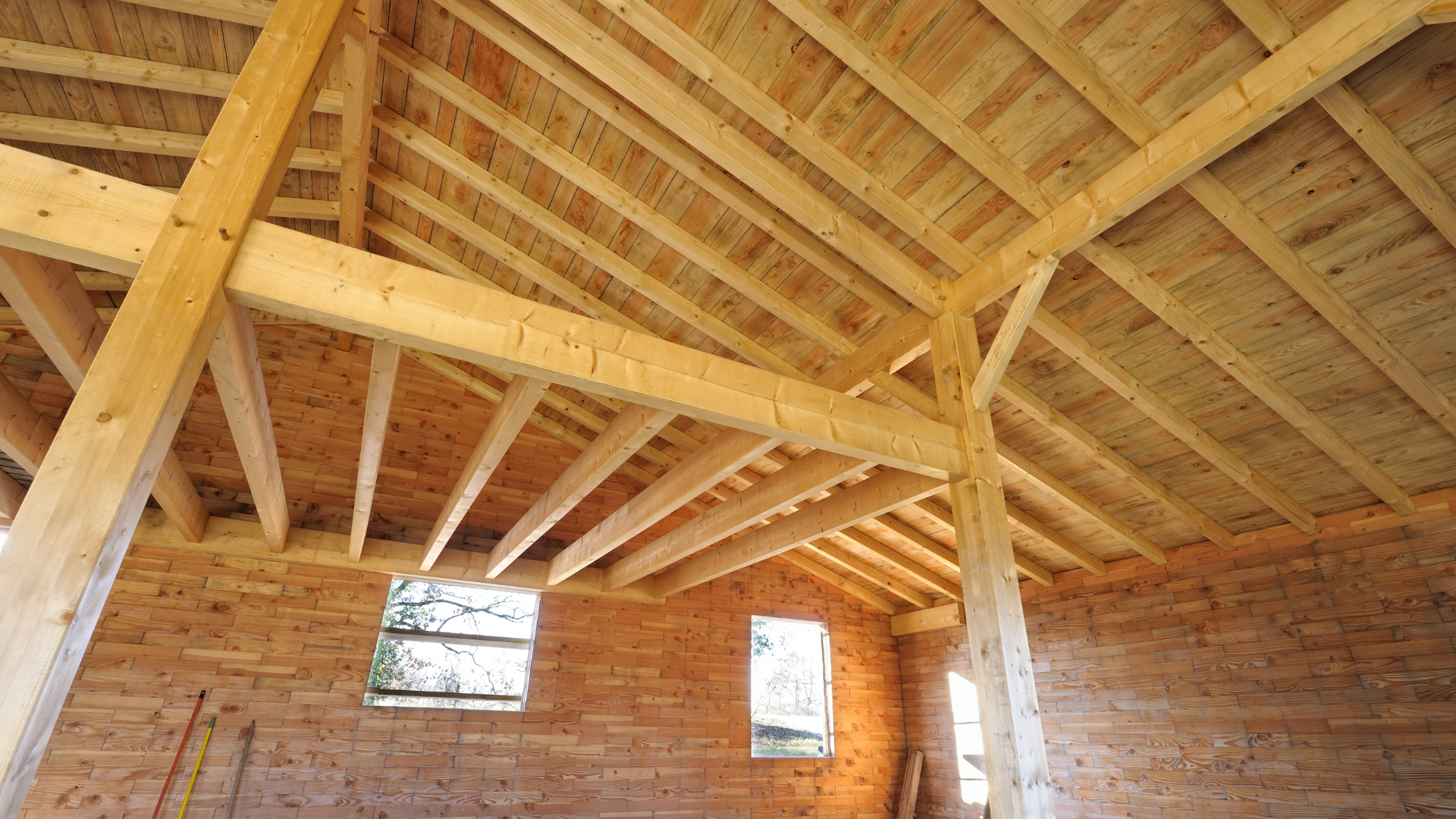
The practical takeaway for Wellington owners and buyers: the year your home was built matters. Homes constructed under the modern Florida Building Code — adopted statewide in 2002 after the post-Andrew overhaul — were built to substantially tougher wind standards than earlier housing stock, and insurers price that difference. For older homes, retrofits like impact windows, reinforced garage doors, and roof-to-wall strapping close much of the gap.
The Features That Protect You — and Cut Your Insurance Bill
Florida insurers are required to offer premium discounts for documented wind mitigation features. That makes hurricane hardening one of the few home investments that pays you back twice — in protection and in premium. The features that matter most:
- Roof: Age, covering type, deck attachment, and roof-to-wall connections (clips vs. straps) are the heavyweights in both protection and premium; an aging roof is the single biggest insurance problem in South Florida
- Opening protection: Impact-rated windows and doors, or code-rated shutters on every opening — partial protection typically earns no credit
- Garage door: The most commonly overlooked weak point; a wind-rated or reinforced door prevents the pressurization failures that take roofs off
- Secondary water resistance: A sealed roof deck keeps water out even if the roof covering fails
The path to the discounts is a wind mitigation inspection — a modest-cost inspection that documents these features for your insurer. If you’ve never had one, or your last one predates a roof replacement or window upgrade, schedule it. For buyers, the wind mitigation and 4-point inspection results should be part of your offer math, not a surprise after closing.
Sustainable and Storm-Strong Can Be the Same House
There’s growing demand for homes that pair green building with storm resilience — and the two goals reinforce each other. Energy-efficient impact windows do double duty on cooling costs and debris protection. Modern insulation improves both efficiency and the building envelope. Solar with battery backup keeps essentials running through the multi-day outages that follow major storms — a meaningful quality-of-life difference in August heat. For new construction and major renovations in Wellington, building to current code while layering in efficiency upgrades produces a home that costs less to run and stands up better when it counts.
Wellington-Specific Preparedness Notes
- Know your actual risk profile: Wellington sits inland, roughly 15 miles from the coast — the primary threats here are wind and rainfall flooding rather than storm surge; check your specific evacuation zone and flood zone with Palm Beach County emergency management rather than assuming either way
- County resources to bookmark before June: Palm Beach County’s emergency management page (evacuation zones, shelter lists, special needs registry) and the Village of Wellington’s storm updates — have both saved before a storm has a name, when the sites aren’t overloaded
- Equestrian properties have a second checklist: Barn construction standards, generator capacity for wells and fans, water storage, and a horse evacuation or shelter-in-place plan are season-start tasks in Wellington’s equestrian community — not week-of-storm tasks
- Buying in Wellington? Ask for roof age, wind mitigation report, opening protection inventory, and generator provisions on every home you consider — we build these into the showing checklist
Bottom Line
Hurricane readiness in Wellington comes down to three layers: a home whose construction and retrofits meet the moment, an insurance file that documents every mitigation feature you’ve paid for, and a household plan made in calm weather. Handle all three before the season’s first named storm, and the rest of the summer is just weather-watching.
Buying or selling in Wellington and want hurricane-readiness factored into the deal? From wind mitigation reports to roof-age negotiation strategy, we build storm resilience into the transaction. Bilingual coordination with Lucy Lopez.
Call or text Brian: 561-201-4717
Brian Wilder
The Wilder Real Estate Group · Keller Williams Wellington
In business since 1996 · 1,500+ Palm Beach County transactions · 225+ 5-star reviews
Bilingual coordination with Lucy Lopez: 561-285-8809
561-201-4717 · palmbeachcountyhomeforsale.com