Healthy Aging and Active Living in Wellington — Insights from Dr. John Hinson, Palm Beach Orthopedic Institute
Wellington’s active community — from equestrians and tennis players to golfers and pickleball enthusiasts — depends on staying physically capable. Dr. John Hinson of the Palm Beach Orthopedic Institute shares guidance on injury prevention and healthy aging for active residents.
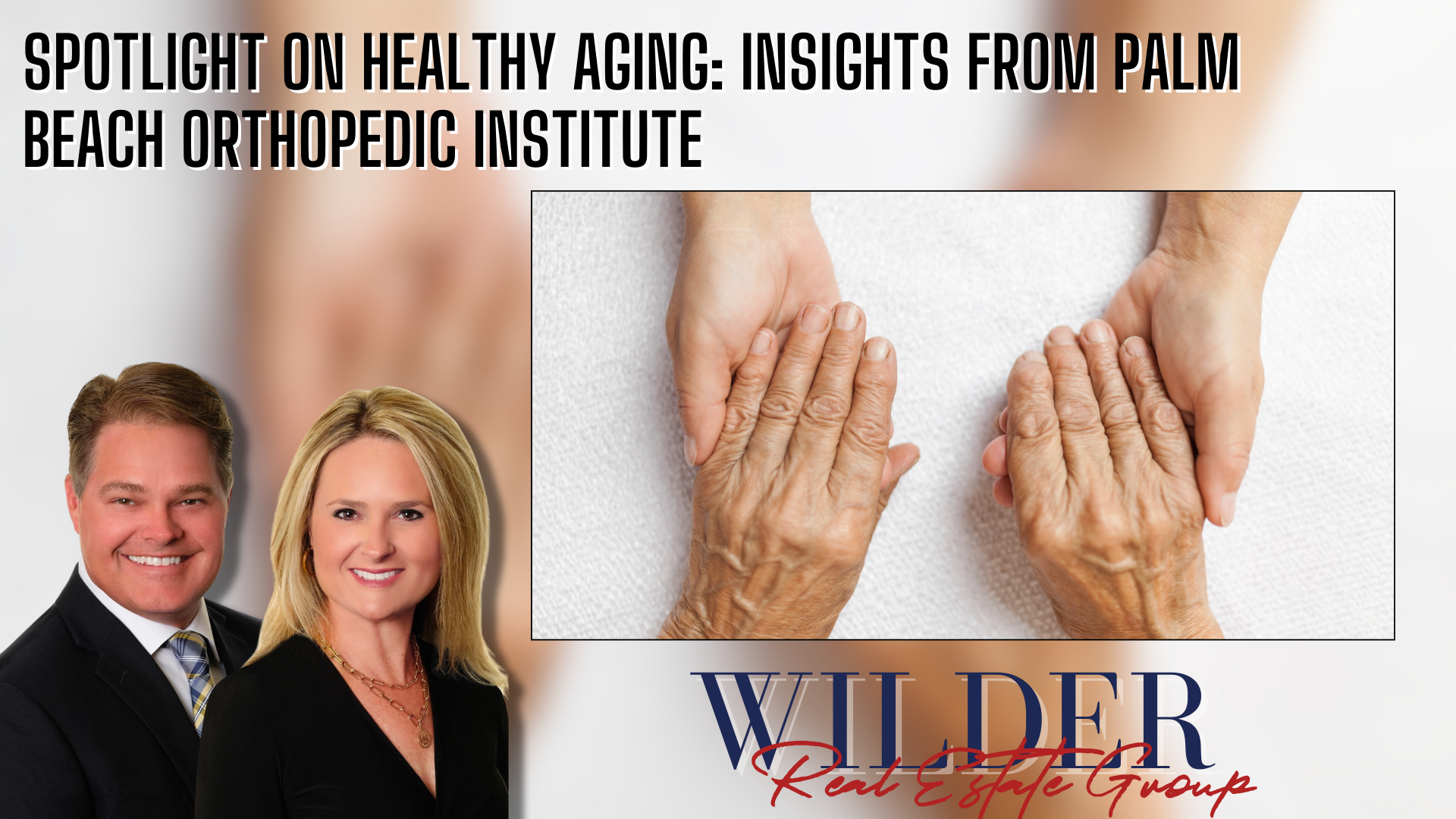
September is Healthy Aging Month — an annual observance that invites active adults to think proactively about long-term physical health. In Wellington, where the active lifestyle is part of what draws residents here, this is a particularly relevant conversation. From equestrian athletes managing shoulder demands to tennis and pickleball players dealing with rotator cuff wear, to golfers navigating the cumulative effects of a lifetime of swings, Palm Beach County’s active population has specific orthopedic considerations. Dr. John Hinson of the Palm Beach Orthopedic Institute shares practical guidance for staying active and minimizing injury as we age.
Why Active Aging Requires Proactive Care
Dr. Hinson emphasizes that the goal of healthy aging isn’t simply adding years — it’s maintaining the physical capacity to stay engaged in the activities that define quality of life. For Wellington’s equestrian community, that means staying fit enough to ride and care for horses. For the tennis and pickleball communities, it means managing shoulder health. For golfers, it means understanding how swing mechanics interact with the aging musculoskeletal system.
Regular exercise, particularly for aging athletes, can significantly reduce the risk of chronic injuries. The key is making that exercise intentional and targeted rather than waiting for pain to prompt action.
Home Exercise Programs for the Aging Athlete
Dr. Hinson specifically highlights shoulder stretching and strengthening as the foundation of any active aging program for residents engaged in racket sports, golf, equestrian activity, or overhead work. The shoulder is the most frequently affected joint among Wellington’s active population, and the exercises that protect it are accessible and don’t require gym equipment.
A tailored home exercise program developed with a physical therapist and followed consistently is one of the most effective injury prevention investments available to active adults. Dr. Hinson recommends establishing this routine before pain develops, not in response to it.
Consult your physician or a licensed physical therapist before beginning any new exercise program, particularly if you have existing joint or musculoskeletal concerns.
Injury Prevention on the Court, Course, and Barn
Dr. Hinson advocates for a practical, common-sense approach to injury prevention that applies across Wellington’s varied active sports community:
- Surface awareness: Whether on a pickleball court, tennis court, or barn aisle, clean and dry playing surfaces significantly reduce fall and acute injury risk; wet or debris-covered surfaces are the most common environmental cause of acute injuries in active adults
- Protective gear: Braces and pads for upper extremity protection are appropriate for athletes with known vulnerability or recovering from prior injuries; the decision to use them should be made in consultation with a physician rather than independently
- Addressing chronic pain before it escalates: Dr. Hinson’s most direct guidance — chronic pain is a signal that should prompt medical attention, not be managed around. Waiting typically narrows treatment options.
Rotator Cuff Injuries: What Wellington’s Active Residents Should Know
Rotator cuff tears are among the most common injuries in aging athletes, and they’re particularly relevant to Wellington residents engaged in tennis, pickleball, golf, swimming, and equestrian activity. Dr. Hinson explains that this injury frequently develops gradually rather than from a single traumatic event.
Common symptoms include:
- Sharp pain while swinging a racket, club, or paddle
- Pain that worsens at night, often disrupting sleep
- Weakness or limited range of motion in the affected shoulder
- Symptoms that begin without a clear precipitating injury
“Recognizing these symptoms early on is key. Most treatment begins conservatively, focusing on anti-inflammatory medications, ice and heat therapy, physical therapy, and, when necessary, corticosteroid injections. Sometimes, a temporary modification in activity is essential to allow for healing.”
— Dr. John Hinson, Palm Beach Orthopedic Institute
Early recognition and conservative management typically produce the best outcomes. Delayed treatment often converts a manageable condition into one requiring more intensive intervention.
This information is for general awareness only and is not a substitute for evaluation by a licensed physician. If you are experiencing shoulder pain or any orthopedic symptoms, consult a medical professional.
The Palm Beach Orthopedic Institute serves Wellington and Palm Beach County residents. Wellington’s active lifestyle — equestrian culture, year-round outdoor sports, and an engaged active adult population — is one of the defining characteristics that draws buyers to this community. Staying physically capable of enjoying that lifestyle is the point. The Wilder Real Estate Group shares resources like this one because the community we’ve served since 1996 deserves them.
Brian Wilder
The Wilder Real Estate Group · Keller Williams Wellington
In business since 1996 · 1,500+ Palm Beach County transactions
Bilingual coordination with Lucy Lopez: 561-285-8809
561-201-4717 · palmbeachcountyhomeforsale.com