🛥️ Why Every Offshore Boater Needs an EPIRB — Palm Beach County Safety Guide
Boating in South Florida gives you a freedom most places can’t match. But the ocean changes fast, and when it does, your safety gear becomes everything. One device separates the prepared from the vulnerable.
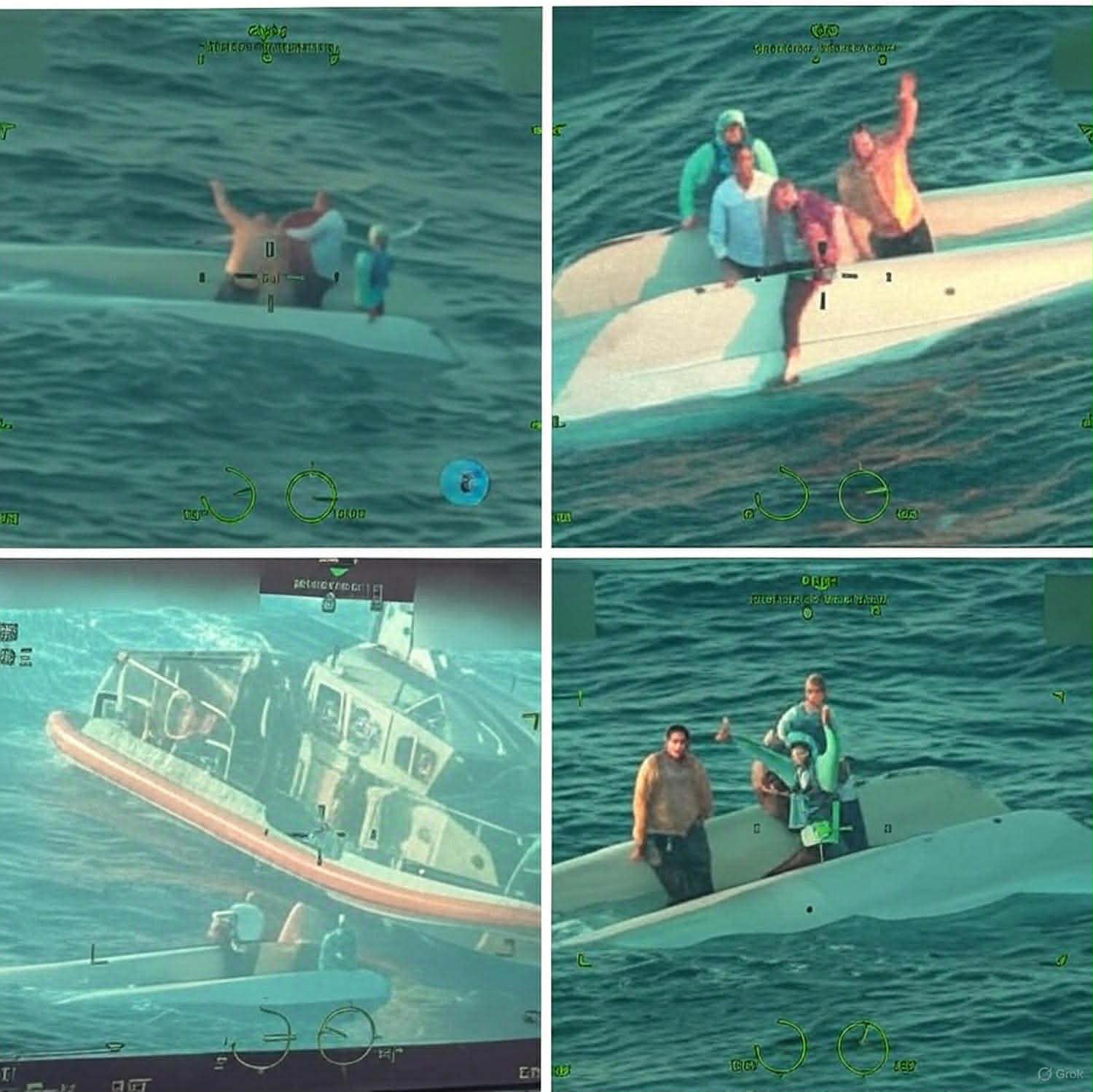
Boating in South Florida gives you a freedom most places can’t match — deep blue water, island hopping, world-class fishing grounds, and legendary Gulf Stream runs. But the ocean changes fast. Squalls build in minutes, electronics fail in saltwater heat and humidity, and when something goes wrong 30 miles offshore, you can’t wait for help to find you by chance. One device changes that equation entirely: an EPIRB — Emergency Position Indicating Radio Beacon.
🚨 What an EPIRB Actually Does
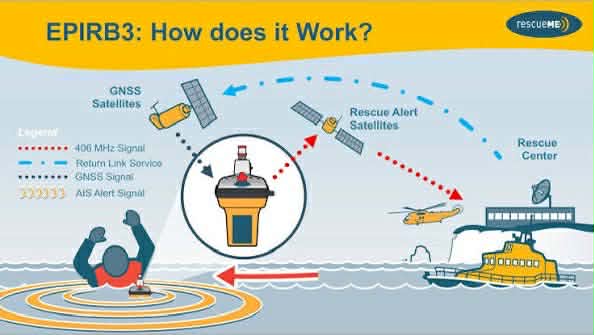
When activated, an EPIRB:
- Sends a distress signal directly to the U.S. Coast Guard
- Broadcasts your exact GPS coordinates
- Works in any weather, including conditions that disable other electronics
- Transmits even if your VHF radio has failed
- Can broadcast continuously for 48+ hours
- Activates automatically in water on float-free bracket models
It’s your “come find me now” signal — and it has saved countless lives in the East Coast offshore corridor and throughout the Bahamas crossing routes.
My nephew Justin Wilder runs charters, does island hops, and manages offshore vessels for private clients. When he started making long runs across to the Bahamas and down to the Keys, the first thing he bought wasn’t new electronics or upgraded gear. It was an EPIRB.
Experienced captains know: electronics fail. Weather changes. Radios die. Batteries drain. EPIRBs don’t.
He’s told me story after story where having one wasn’t just smart — it was non-negotiable. His rule: “If you’re more than 5 miles offshore, you’re outside the safety bubble.” That’s where an EPIRB becomes your lifeline, not just a recommendation. And he keeps his where he can grab it instantly — not buried in a hatch under gear and towels.

🌊 Why Palm Beach County Offshore Conditions Make This Non-Negotiable
If you run outside the inlet at Boynton Beach, Palm Beach, Jupiter, or Singer Island, these are the conditions that can hit fast:
- Storms build faster than radar catches — a squall can blindside you in minutes off the Palm Beach coast
- Electronics fail when you need them most — saltwater + Florida heat + humidity is a reliable combination for dead GPS and dead radio
- Injuries offshore are time-critical — you can’t wait 45 minutes for help when you’re 30 miles out
- Engine failure is more common than people realize — especially on older outboards or long bluewater runs
- A flipped or sinking boat takes everything with it — radio, phone, GPS, flares; your EPIRB still transmits, even underwater
🧭 EPIRB vs. PLB — What’s the Difference?
Both are valuable — they serve different roles:
EPIRB (Vessel Device)
- Mounted or stored on the vessel
- Auto-activates when submerged on float-free bracket models
- Stronger signal and longer battery life than a PLB
- Ideal for offshore boating, charters, and Bahamas crossings
PLB (Personal Locator Beacon)
- Worn on the body
- Must be activated manually
- Excellent backup for divers, freedivers, spearfishers, and jet-ski operators
Serious offshore boaters — especially those running out of Palm Beach County inlets — should consider running both.
🔧 What EPIRBs Cost (Less Than You Think)
- Most high-quality EPIRBs: $350–$600
- Battery life: 5–10 years before replacement
- NOAA registration: free
- Subscription fees: none
Compared to your boat, your engines, and the people on board with you, it’s a straightforward decision.
Your boat can be replaced. You can’t.
Questions about Palm Beach County? Whether it’s the water, the community, or the real estate market — call for a conversation.
Call or text Brian: 561-201-4717
Brian Wilder
The Wilder Real Estate Group · Keller Williams Wellington
In business since 1996 · 1,500+ Palm Beach County transactions · 5th-generation Palm Beach County native
Bilingual coordination with Lucy Lopez: 561-285-8809
561-201-4717 · palmbeachcountyhomeforsale.com